
Ways
film
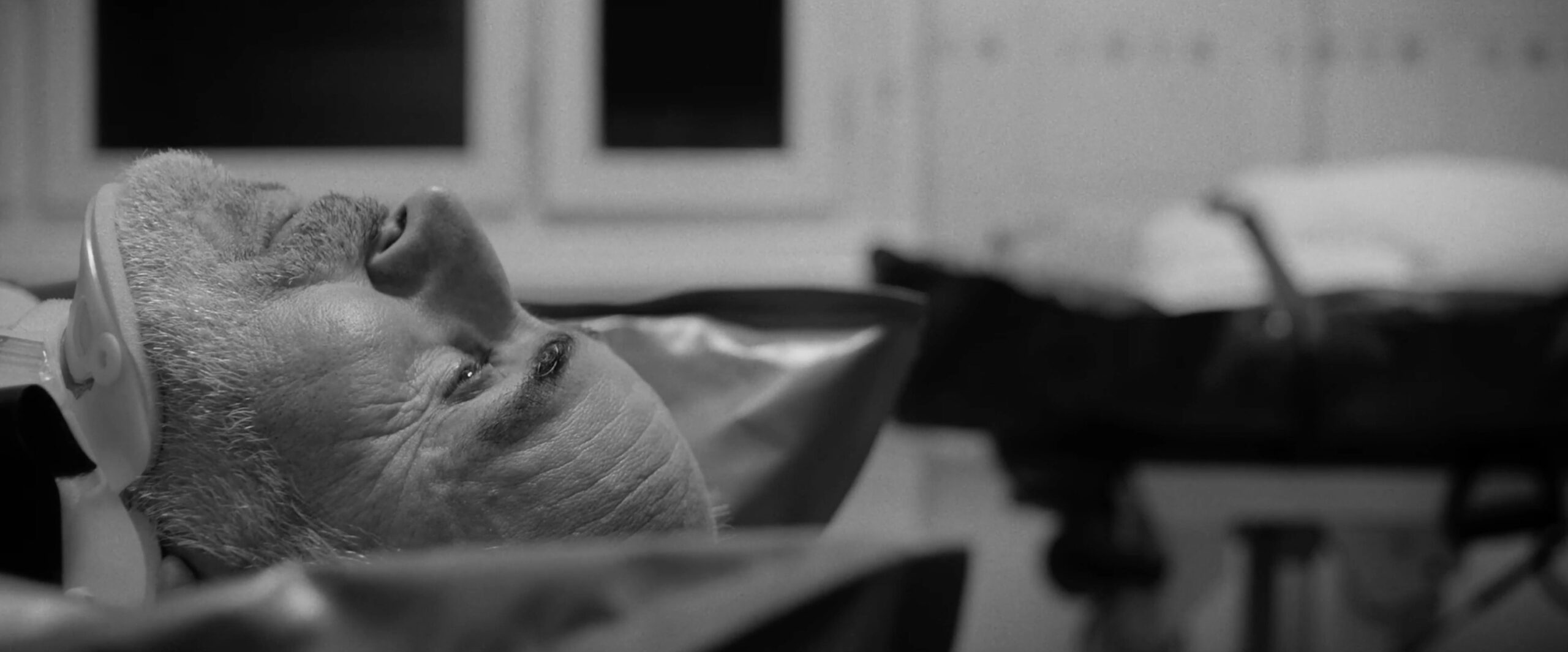
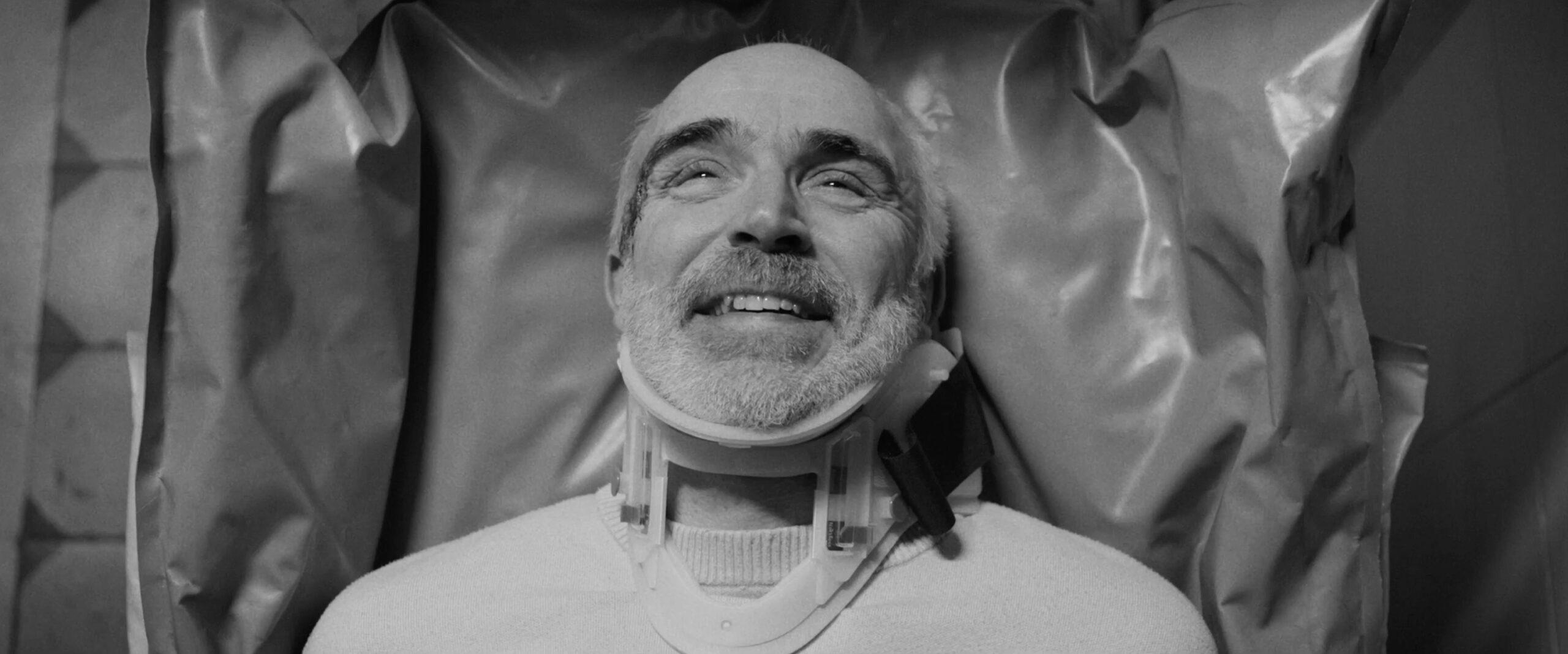
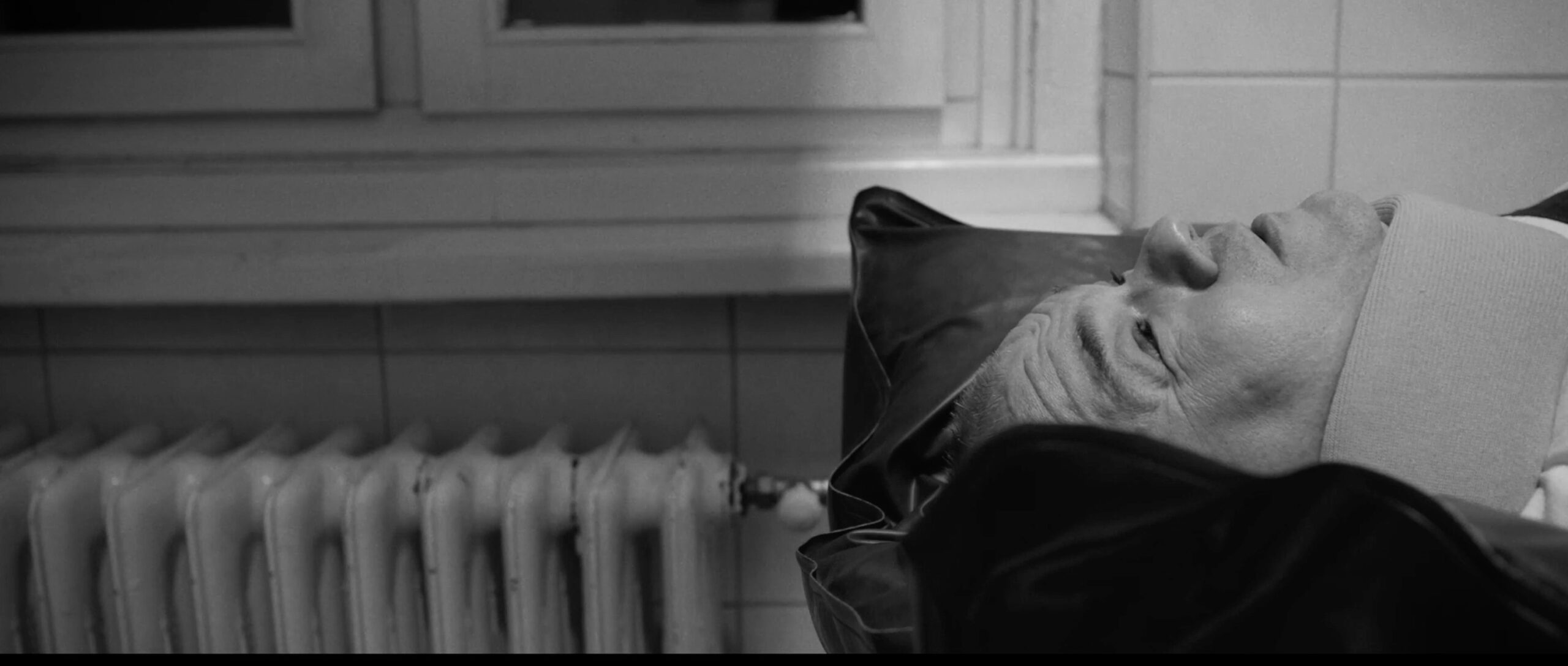
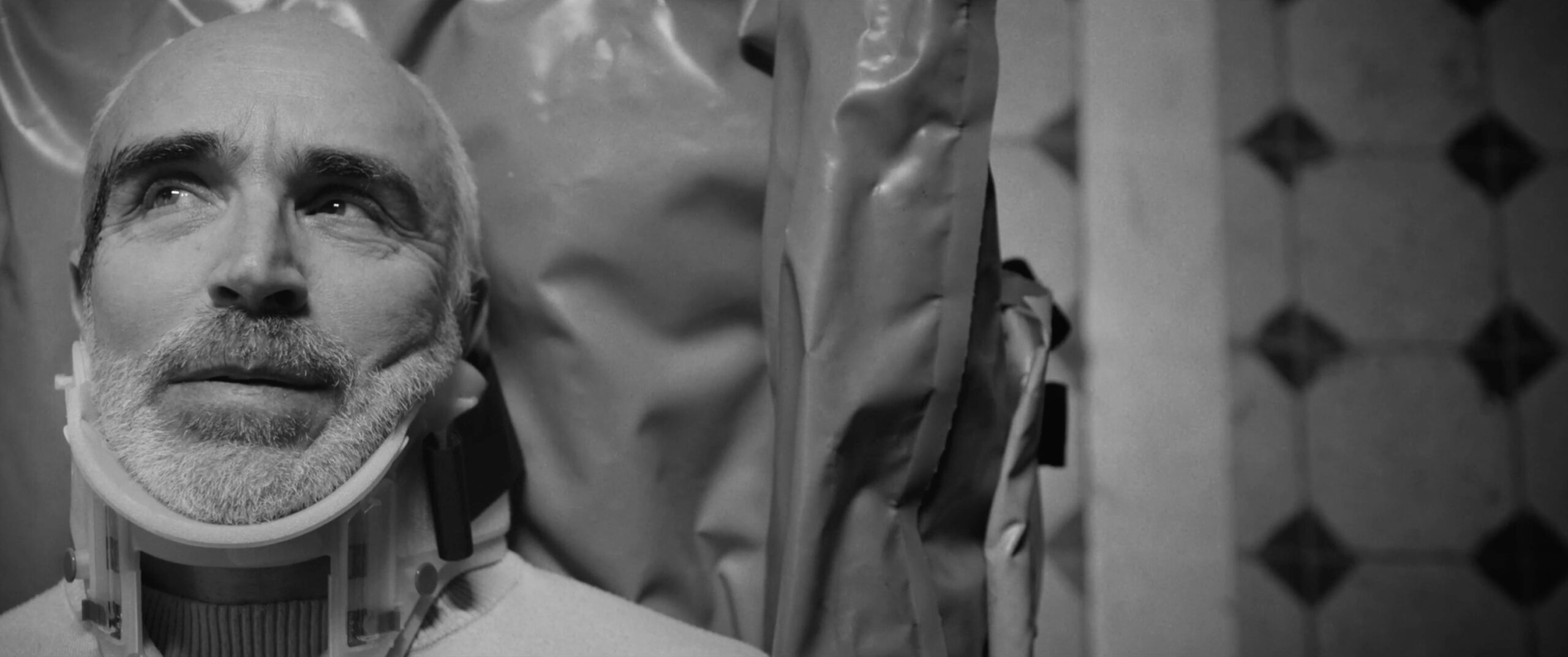
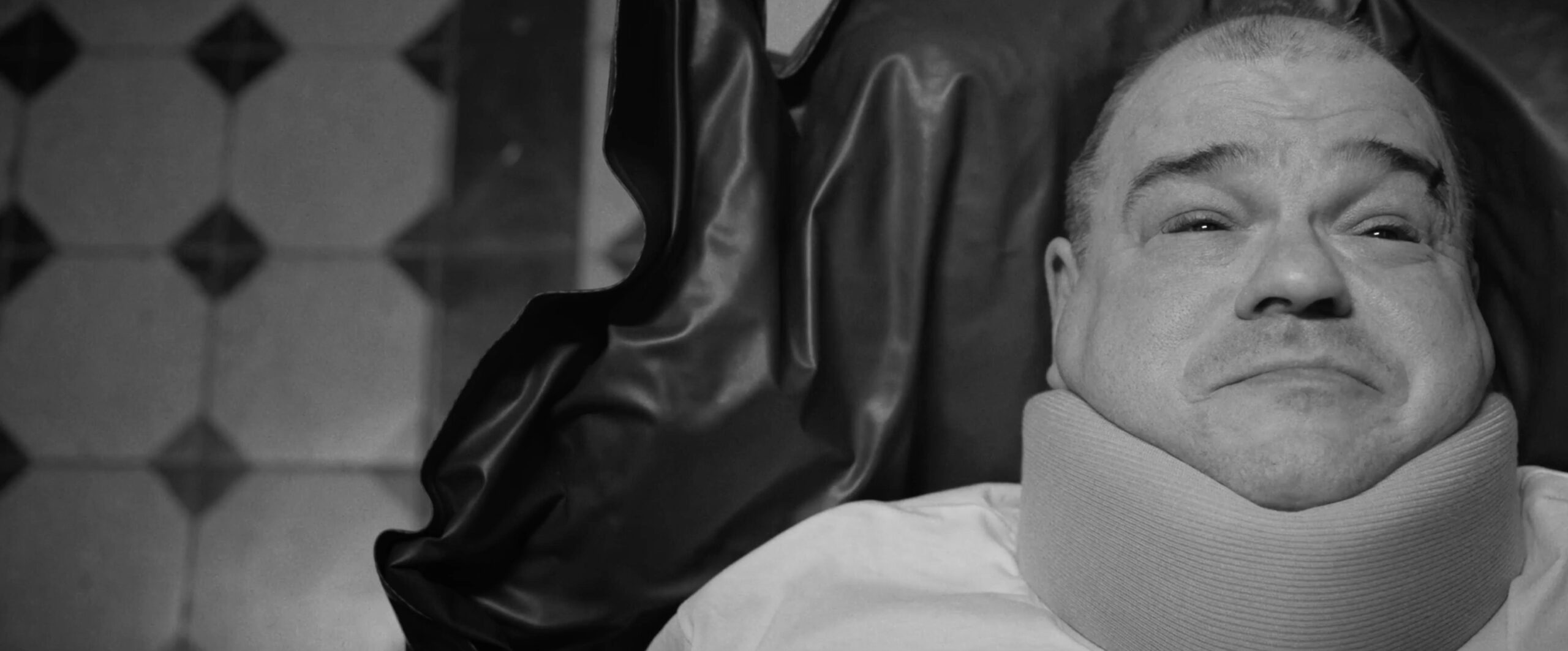
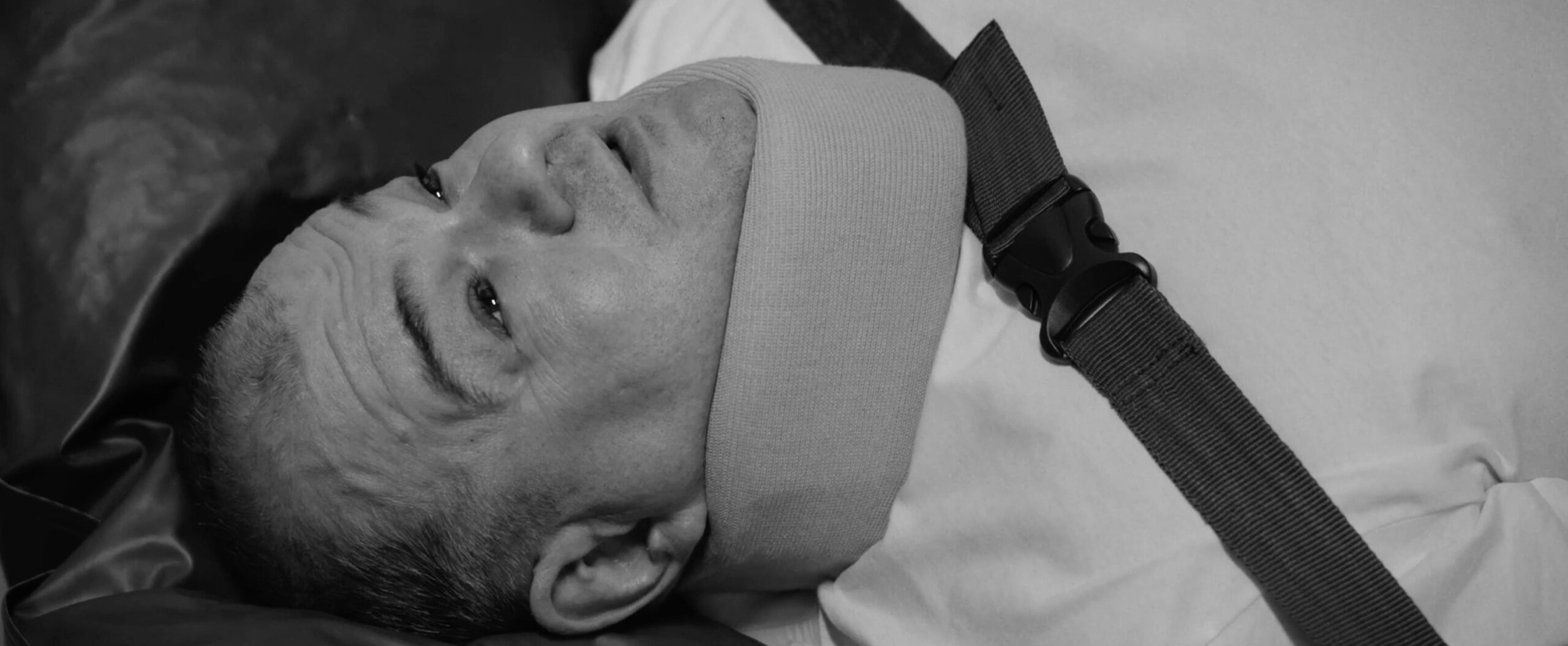
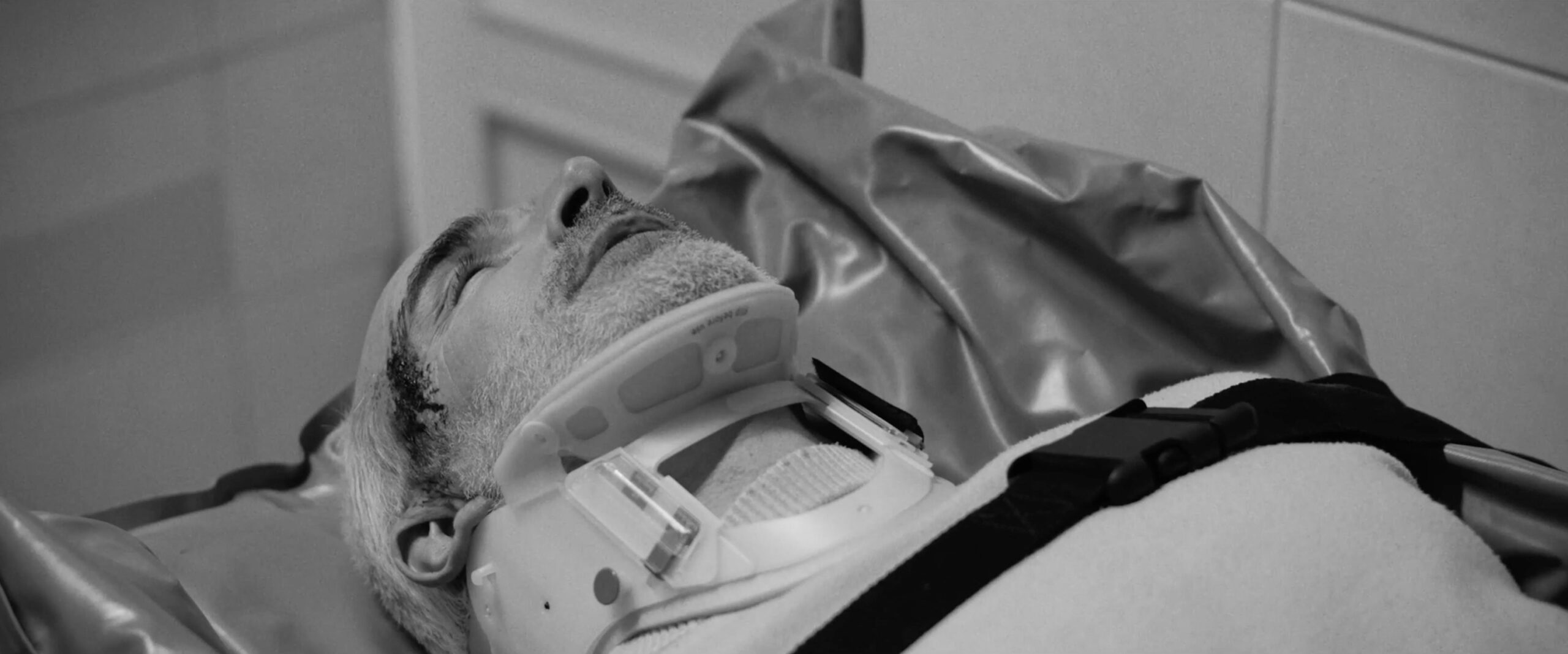
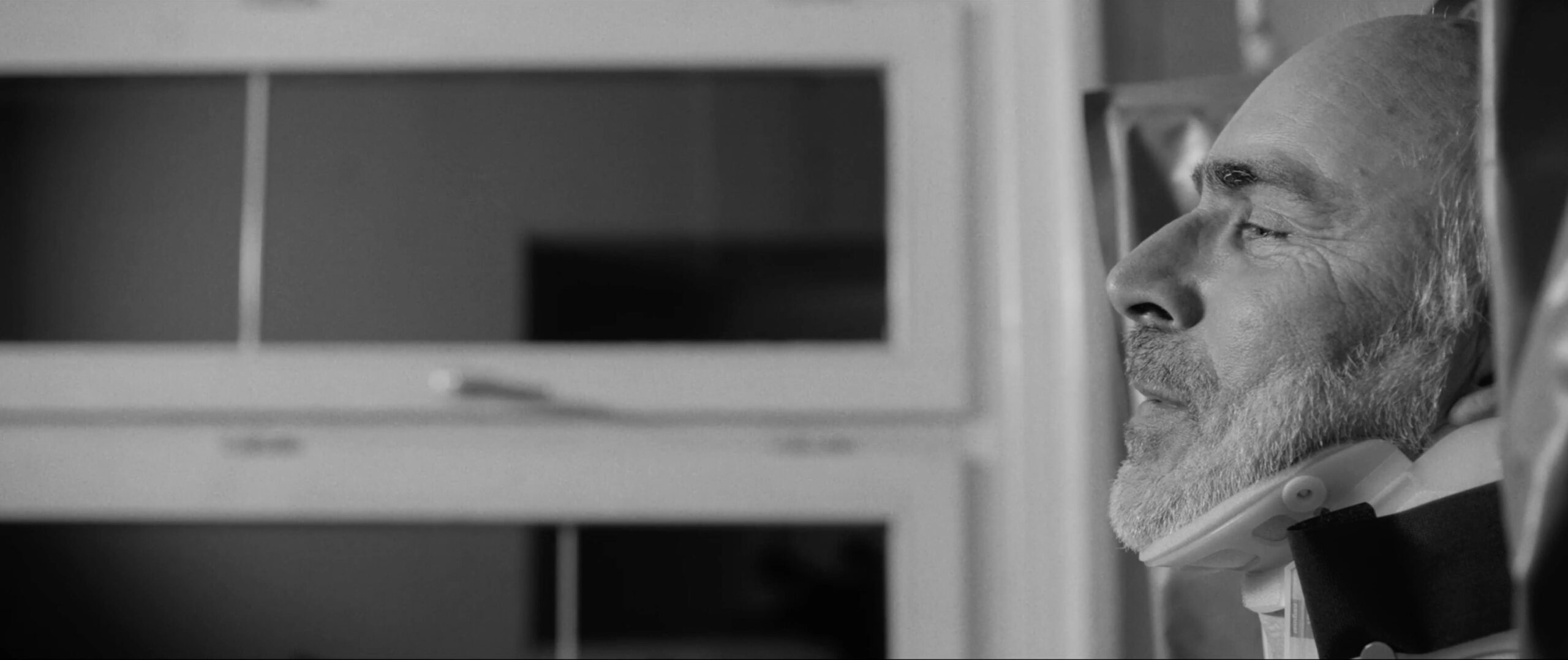
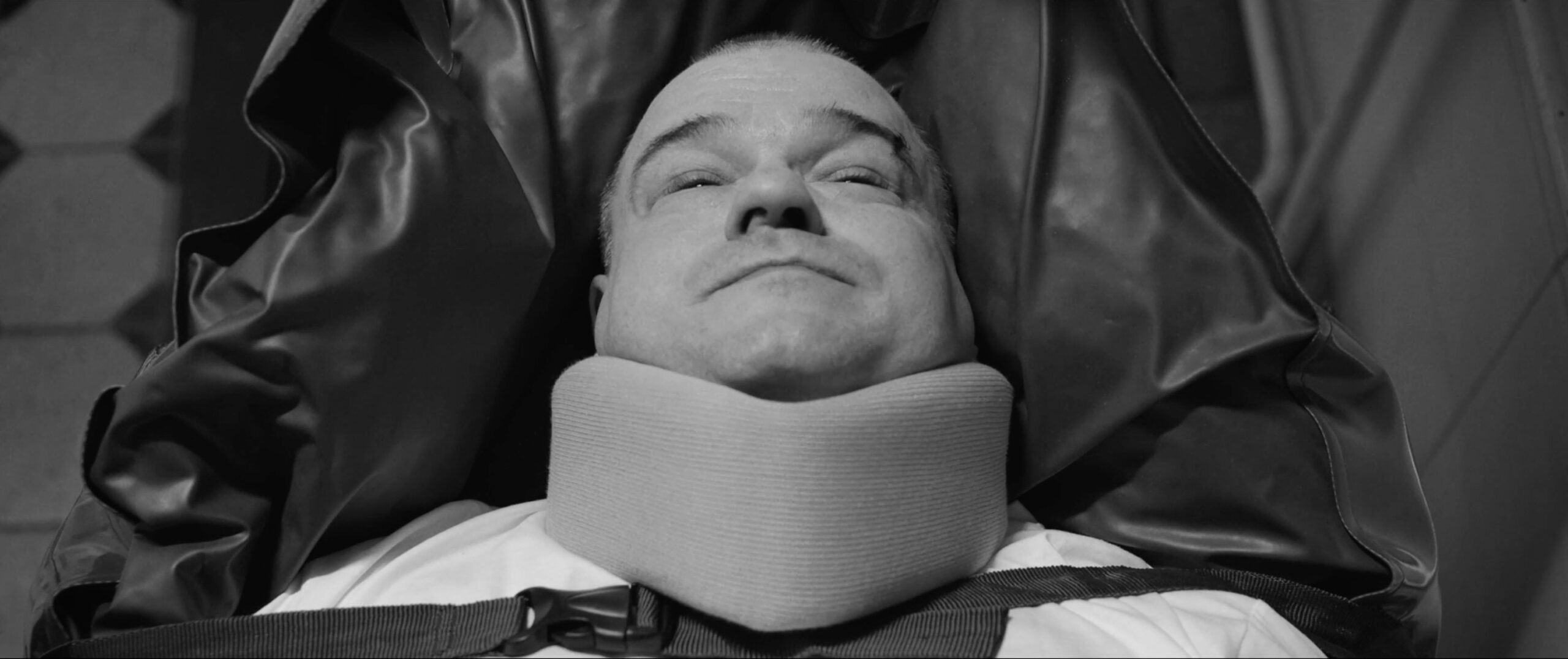
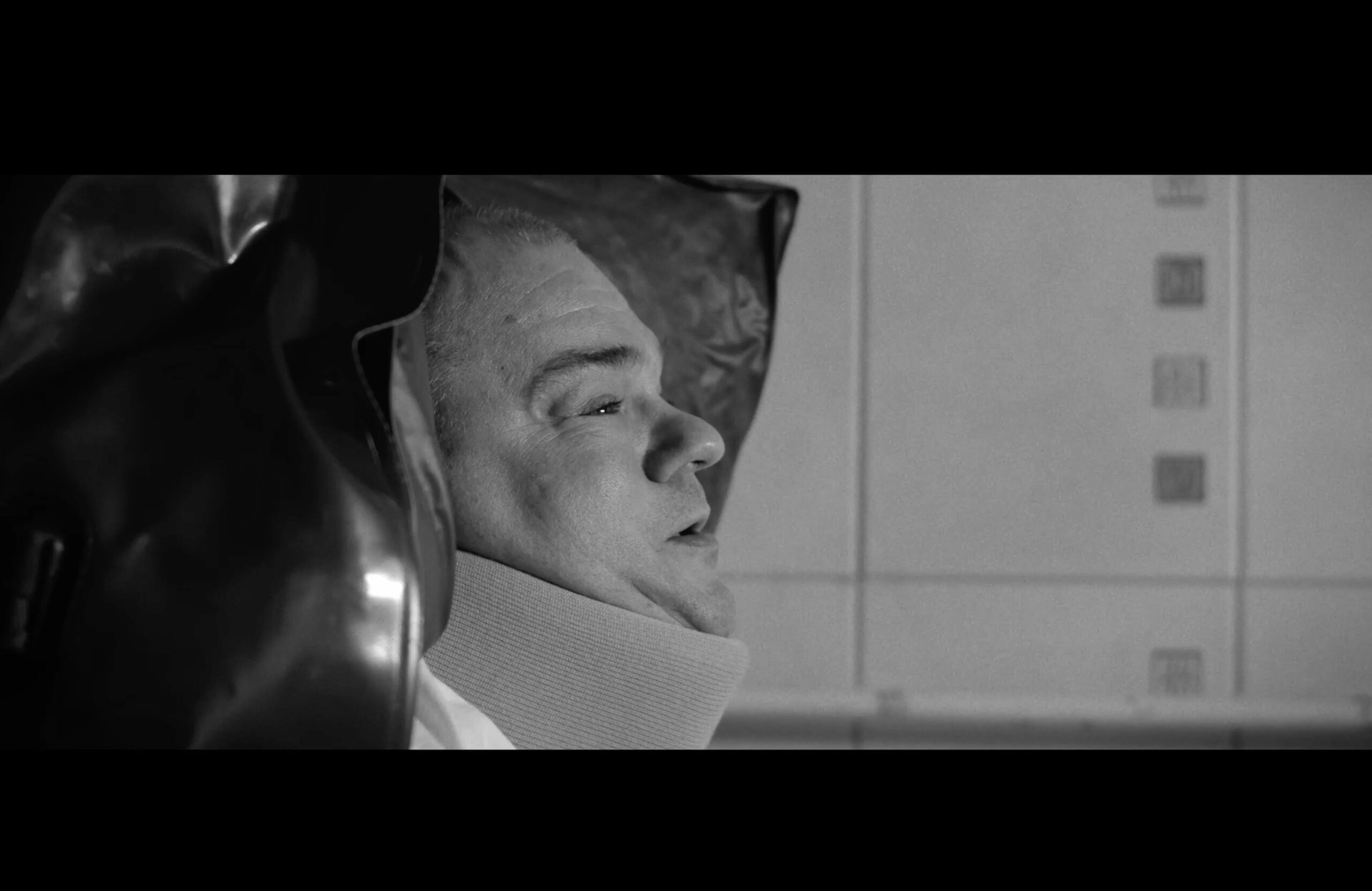
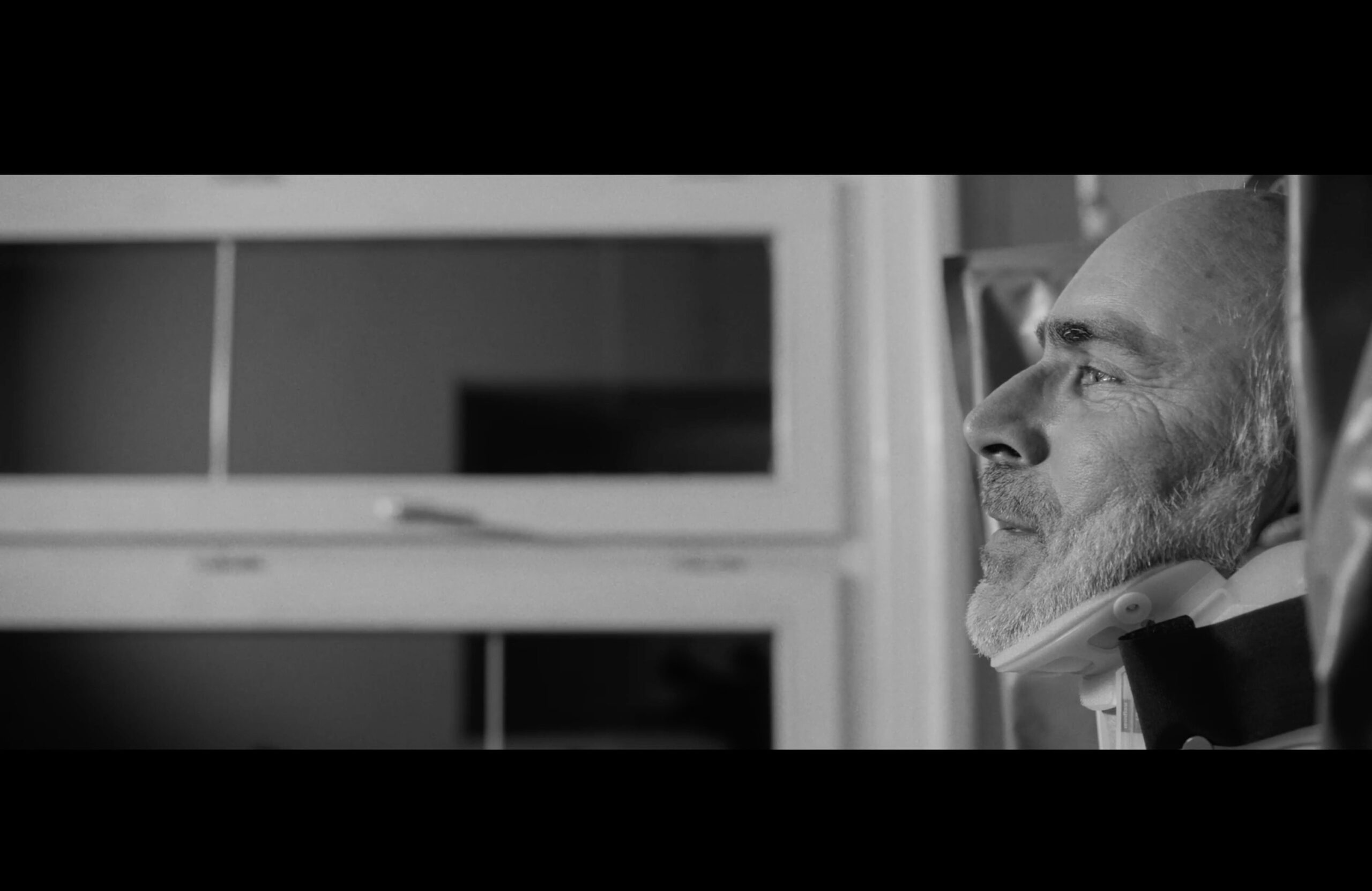
Set in a hospital deep in the Hungarian countryside, the film centres on two middle-aged men—an English expatriate and a Hungarian television personality—who, after a car accident, find themselves immobilised in vacuum mattresses and abandoned in a corridor when a broken CT scanner halts their treatment. Alone and unable to move, they are told to wait for another ambulance, but as time stretches, certainty dissolves, and even the question of whether help is coming—or if they are already beyond it—begins to blur.
At first, they try to reconstruct the accident, clinging to fragments of language and memory in an effort to regain control. But meaning slips through their grasp, and their conversation gradually drifts into something more intimate and disjointed—touching on childhood, identity, and the quiet disappointments that sit beneath their carefully constructed lives. The Hungarian clings to his public image and sense of importance, while the Englishman—despite decades in Hungary—remains, in subtle but persistent ways, an outsider, never quite able to fully grasp what lies beneath the surface.
Trapped side by side yet unable to fully reach one another, their differences—cultural, personal, emotional—remain unresolved, left open for the audience to inhabit. As the stillness deepens, the film shifts its focus from what is happening to what is felt: the slow passage of time, the weight of unspoken lives, and the fragile possibility of connection within it.
In this confined, unmoving space, the camera creates the action—drawing the audience into a world where very little happens, yet everything is at stake. Trapped, unable to move or truly escape one another, the film becomes a darkly comic, Waiting for Godot–style meditation on male loneliness, cultural misunderstanding, and the fragile, fleeting moments of human connection that matter more than the lives we pretend to lead.
Director
Réka Almási
DOP
Viktor Gibárti
Editor
Csaba Tóth
Sound
Attila Madaras
Starring
Alexis Latham, Ferenc Elek
Produced by
Alexis Latham and Scallabouche
Director’s concept
As a director, the biggest—and most exciting—challenge for me was how to sustain tension in such a confined empty space of the hospital corridor. Combined with the fact that we have two men who, after an accident, are completely immobilised—unable to move, barely able to see each other—so their entire interaction unfolds through speech.
The big question was: how do you create momentum when nothing is physically happening? We approached this through fragmented imagery, precise editing, and a gradually intensifying soundscape, all supported by a strong, grounded acting presence.
A long rehearsal process was essential to this. We developed much of the material through improvisation, allowing the ideas, rhythms, and relationships to emerge organically rather than forcing them into place.
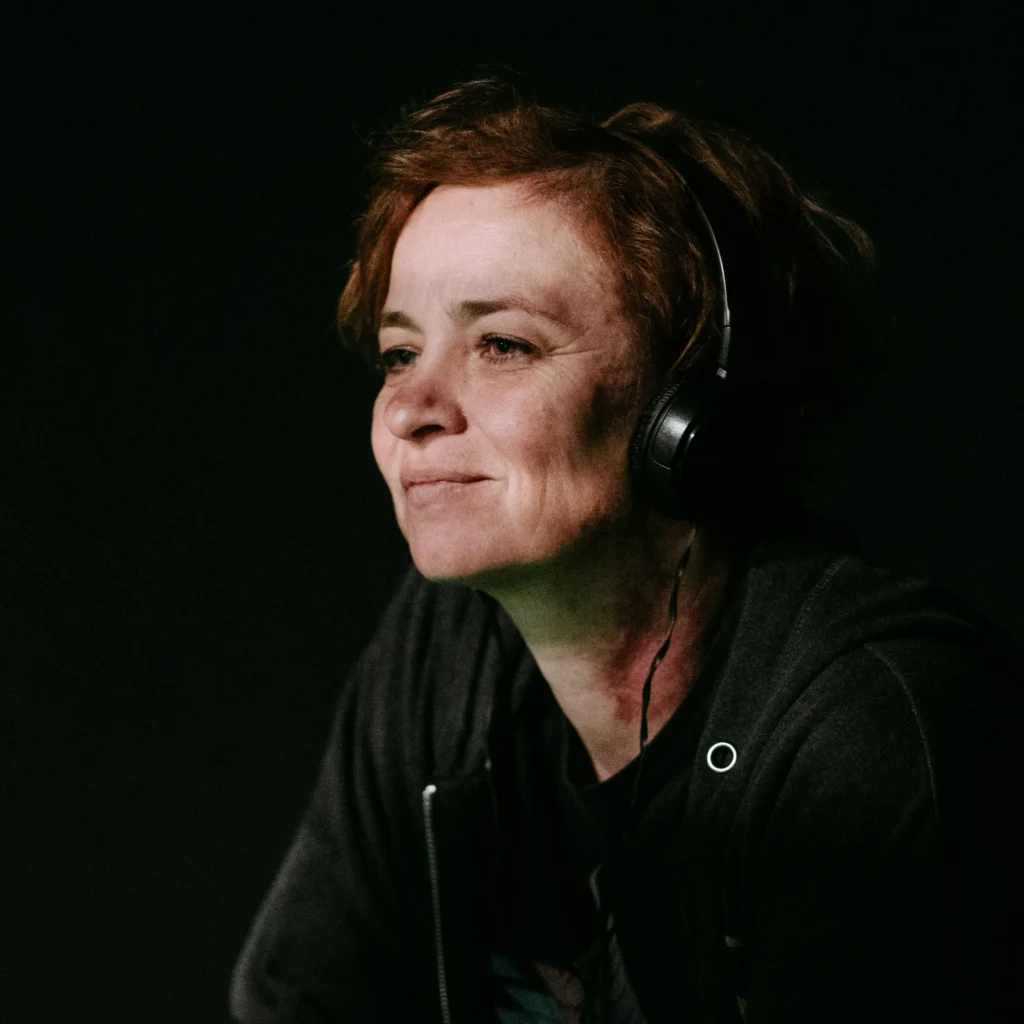
Réka Almási